A Well-Built Pool Depends Just as Much on Plumbing Quality as It Does on Design
Pool aesthetics tend to grab the spotlight during the planning stage, yet plumbing quietly carries the workload behind every clear, comfortable swim. Pipe sizing, fittings, and circulation routes shape how a pool behaves long after the tile work has been sealed. Most owners discover this lesson the hard way through repairs they could have avoided with foresight.
Years of patchwork repairs and climbing utility bills usually trace back to plumbing shortcuts taken during the original build period, not to the surface finish or the decking choice. Thunder Bay pools built with carefully engineered plumbing systems deliver stronger circulation, fewer breakdowns, and noticeably lower maintenance demands across every season. Homeowners who invest at this stage tend to keep their pools running smoothly for years on end.
Where Comfort Begins Below The Waterline
The Quiet Influence Of Pipe Sizing: Pipe diameter often gets treated as an afterthought, though it sets the tone for everything else that follows. Undersized lines force pumps to strain hour after hour, while oversized runs leave water sluggish and uneven. Proper hydraulic design balances flow rate against equipment capacity, letting the system breathe naturally rather than fight itself constantly.
Routing Choices That Shape Daily Use: Bends, elbows, and joint placements add friction that the pump must overcome every time it kicks on. Too many sharp turns drain energy and shorten pump efficiency sooner than anyone expects. Thoughtful routing keeps water moving with less resistance, which means quieter operation, lower power draw, and faster warm-ups in the morning.
Cutting Costs Owners Never Saw Coming
When Cheap Installation Pays You Back In Bills: Skimping during the build feels like savings until the first leak season arrives unannounced. Hairline cracks in poorly cemented joints rarely show up with warning before they spread. Owners standing there the next morning wondering where the water went often discover the skimmer placement was compromised by rushed work nobody checked twice.
Repair Costs That Compound Quietly: Patching one section frequently disturbs another, especially when buried lines were never mapped properly during construction. Excavation around decking, retiling, and equipment downtime stack up fast across a single summer. The original “deal” on cheap return line work ends up funding repeated truck rolls, weekend service calls, and sometimes a full replumb later on.
See also: Why Do Dealers Prefer to Stock Modern Cabinets Today?
Built-In Reliability That Earns Its Keep
Where Skilled Hands Make The Difference: Experienced installers think past the obvious, planning ahead for the equipment that may be added years later. Heater upgrades, salt systems, or a new variable speed pump all depend on plumbing that anticipates change before it arrives. A pool plumbed with foresight accepts new technology without expensive rerouting or awkward retrofits later.
Maintenance Habits That Stay Simple: Well-built systems forgive the small lapses every owner has from time to time. A skipped weekend, a late chemical check, or the occasional power flicker rarely tip a properly plumbed pool into crisis. Owners notice the difference most in August, when neighbours are draining and refilling while their own main drain keeps water steady.
Reading The Signs Of Plumbing Strain
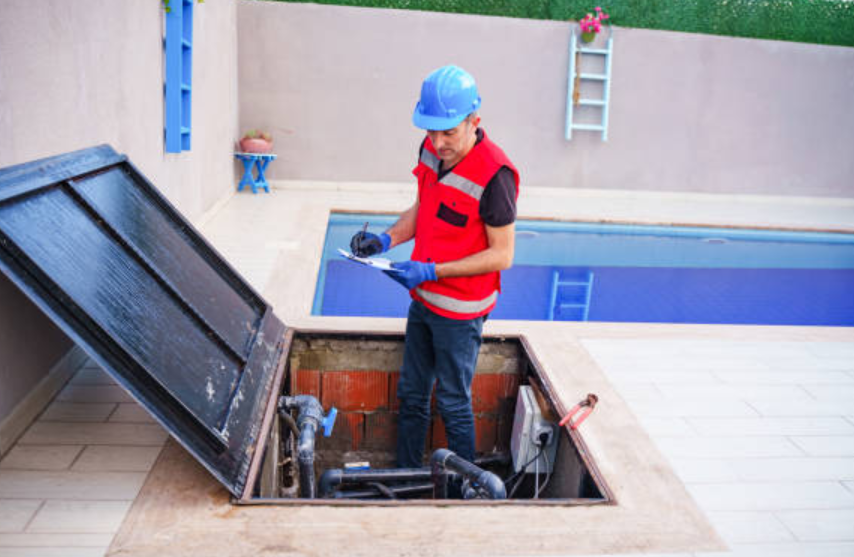
Sounds That Reveal The Hidden Story: Pumps that whine, gurgle, or vibrate louder than usual rarely do so without reason behind it. Air leaks at the fittings or partial blockages along the suction line can mimic mechanical failure when the real cause sits in the pipework. Listening early often saves owners from much larger bills later.
Visual Clues That Surface Slowly: Damp patches near the pump area, faint cracking sounds, or odd water-level drops between top-ups tell a story worth reading carefully. These small signs hint at slow seepage well before any major bursts develop. Catching them while they remain inexpensive to address keeps the expansion joints and surrounding work intact.
What Stronger Plumbing Brings To Pool Life
Features That Earn Their Place Over Time: The real value of considered plumbing shows up in the smaller details owners rarely think about until something fails on a hot weekend. A few of the benefits worth keeping in mind as the equipment pad takes shape across the build include the following points.
- Stable water pressure that keeps the backwash valve working evenly through peak swim hours.
- Quieter pump operation thanks to reduced turbulence inside properly sized return lines and fittings.
- Better heat retention because shorter pipe runs lose less warmth to the surrounding earth.
- Easier winterisation since drainage points sit where they should rather than awkward guesswork spots.
- Fewer chemical adjustments because circulation reaches every corner instead of leaving stagnant dead zones.
Long-Term Value Of Doing It Once: Pools plumbed with proper care keep doing their job through the unpredictable swings every summer throws at them. Owners notice the difference most during heatwaves, when weaker systems lose their chlorine residual quickly while theirs holds steady beside the deck. The early investment pays itself back in unbothered evenings and cleaner water.
Where Quiet Workmanship Meets Years Of Easy Swims
A pool built on solid plumbing rewards its owner long after the novelty of the first swim wears off, holding its shape, clarity, and comfort year after year without intervention. Anyone weighing the next backyard project should ask hard questions about what sits beneath the tile before signing anything. Speak with a qualified plumbing professional today before the next dig begins.