Harnessing the Sun: A Beginner’s Guide to Solar Energy at Home
Switching to solar energy is a practical way for homeowners to reduce their electricity bills and decrease their environmental impact. The technology that converts sunlight into usable power has become more efficient and accessible than ever before. For many, the idea of generating their own clean electricity is empowering.
This guide is designed for beginners who are curious about residential solar power. We will break down how solar energy works, explore the components of a typical system, and discuss the key considerations for making the transition. Understanding these fundamentals will help you determine if solar is the right choice for your home.
How Solar Energy Works for Your Home
The process of turning sunlight into electricity is a fascinating feat of science that happens silently on your rooftop. It all starts with solar panels, which are the most visible part of the system.
From Photons to Electrons
Solar panels are made up of smaller units called photovoltaic (PV) cells. These cells are typically made from silicon. When sunlight, which is composed of particles called photons, strikes the PV cells, it energizes them. This process knocks electrons loose from their atoms. These freed electrons are then directed into a flow, creating a direct current (DC) of electricity.
Converting Power for Home Use
Most homes run on alternating current (AC) electricity, not the DC electricity produced by solar panels. This is where an inverter comes in. The inverter is a crucial component that converts the DC electricity from the panels into AC electricity. This AC power can then be used to run all your appliances, from your refrigerator to your television. The inverter acts as the brain of the solar system, managing energy production and ensuring it’s compatible with your home.
Key Components of a Residential Solar System
A complete solar energy system involves more than just panels. Several parts work together to deliver power safely and efficiently.
Solar Panels
These are the collectors that capture sunlight. There are different types of solar panels, with monocrystalline and polycrystalline being the most common. Monocrystalline panels are generally more efficient and have a sleek, uniform appearance, while polycrystalline panels are a more budget-friendly option.
Inverter
As mentioned, the inverter converts DC to AC electricity. There are a few types of inverters. String inverters connect a series of panels together, while microinverters are attached to each individual panel. Microinverters can be more efficient, especially if some panels are partially shaded during the day.
Racking and Mounting
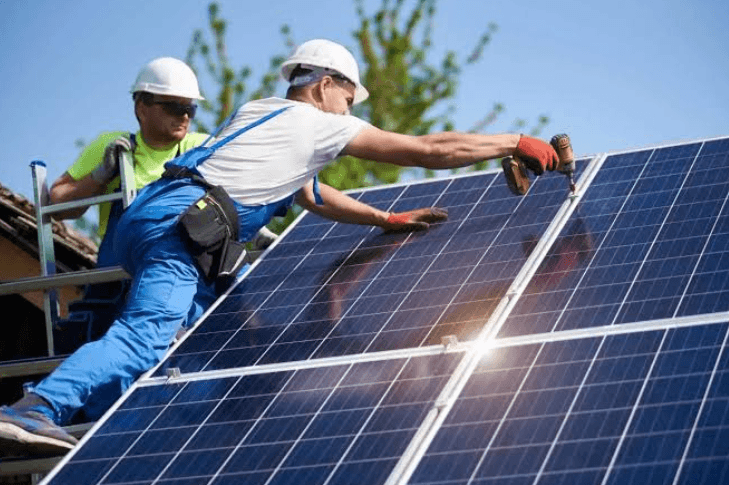
This is the framework that secures the solar panels to your roof. A sturdy, properly installed racking system is essential to protect both the panels and your home from wind and weather. The racking is also designed to position the panels at the optimal angle to capture the most sunlight.
Monitoring System
Most modern solar installations include a monitoring system. This allows you to track your energy production in real-time, often through a smartphone app or web portal. Monitoring helps you understand your energy usage and can alert you if the system is not performing as expected.
Important Factors to Consider
Before you commit to installing a solar energy system, there are several practical points to evaluate.
Your Home’s Suitability
Not every roof is ideal for solar panels. The best candidates have ample space that faces south, east, or west with minimal shading from trees or other buildings. The age and condition of your roof are also important. It is wise to make any necessary roof repairs before installing panels, as they are designed to last for 25 years or more.
See also: Choosing the Right Signage Contractor for Your Business
Financial Incentives and Costs
The cost of a solar system can be significant, but various financial incentives can help offset the expense. These may include federal tax credits, state rebates, and local programs. The overall return on investment depends on your electricity rates and the amount of sunlight your home receives. When you are ready to explore options, it’s beneficial to get quotes from reputable, certified installers. Researching local providers, such as solar power companies in Utah, can give you a clear picture of installation costs and available incentives in your specific area.
Grid-Tied vs. Off-Grid Systems
Most residential solar systems are “grid-tied,” meaning they remain connected to the local utility grid. When your panels produce more electricity than you need, the excess can be sent back to the grid, often earning you a credit on your utility bill. This practice is known as net metering. Off-grid systems are entirely independent and require a battery bank to store energy for use when the sun is not shining.
By understanding these core concepts, you can make an informed decision about harnessing the sun’s power for your home. It represents a meaningful step toward energy independence and a more sustainable lifestyle.