What Is an AC Return Vent Filter and Why Does It Matter?
Indoor comfort depends on clean airflow and balanced air circulation. A central air system pulls air through return vents before cool air moves back into each room. Dust, pet hair, pollen, and small debris often travel through this path every day. A filter near the return vent helps trap those particles before they reach major system parts.
A clean ac return vent filter supports better airflow, cleaner indoor air, and lower strain on important equipment. Poor filter care may lead to weak air circulation, high energy costs, and extra dust across the home. This article explains the role of this filter, signs of trouble, replacement habits, and reasons behind proper filter care.
The Purpose of a Return Vent Filter
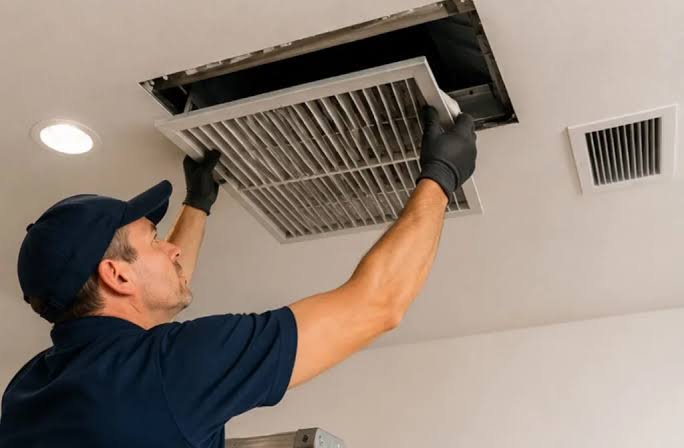
A return vent filter acts as a barrier between indoor air and the HVAC system. Air enters the return vent, passes through the filter, and then moves toward the air handler. The filter catches dirt and airborne particles before they enter major components. This small part helps protect the evaporator coil, blower motor, and duct system from dirt buildup.
Cleaner internal parts often support stronger airflow and better temperature control across the house. Homes with pets or heavy dust may face faster filter clog issues. Older houses may also collect extra debris due to aging duct systems or poor insulation around vents.
Signs of a Dirty Filter
A clogged filter may create several household comfort problems. Early signs usually appear through airflow changes or extra dust around vents. Quick filter replacement may help restore normal airflow and indoor comfort before larger issues appear.
Common Warning Signs
- Weak airflow from supply vents
- Dust buildup near furniture
- Warm spots around certain rooms
- Extra strain on the HVAC unit
- Sudden rise in utility costs
- Unusual odor near vents
Filter Types and Material Choices
Several filter styles exist for residential HVAC systems. Each type offers different levels of particle control and airflow support. Fiberglass filters often cost less and support basic dust control. Pleated filters capture smaller particles and usually last longer.
High-efficiency filters trap finer debris such as pollen and pet dander. Filter thickness also matters. Thin filters may require more frequent replacement, while thicker versions often support longer service life. A technician may recommend the correct type based on system size and indoor air needs.
Indoor Comfort and System Protection
Clean airflow supports better comfort across every room. A fresh ac return vent filter may help reduce indoor dust and support stable airflow during hot weather. A blocked filter forces the HVAC unit to work harder than normal. Extra strain may reduce equipment life and increase repair needs over time.
Poor airflow can also affect temperature balance across the house. Indoor air quality plays a major role in household comfort. Cleaner air often helps reduce dust buildup on furniture, floors, and fabric surfaces. Filter care also supports cleaner duct conditions throughout the system.
A return vent filter serves an important role in every central air system. This small part protects equipment, supports healthy airflow, and helps maintain indoor comfort throughout the year. Routine filter checks may prevent airflow problems and help reduce stress on valuable HVAC components. Clean filters also support better indoor air quality and lower dust levels inside the home. Simple maintenance habits often lead to stronger system performance and more dependable comfort. Regular filter replacement remains one of the easiest ways to support long-term HVAC health.