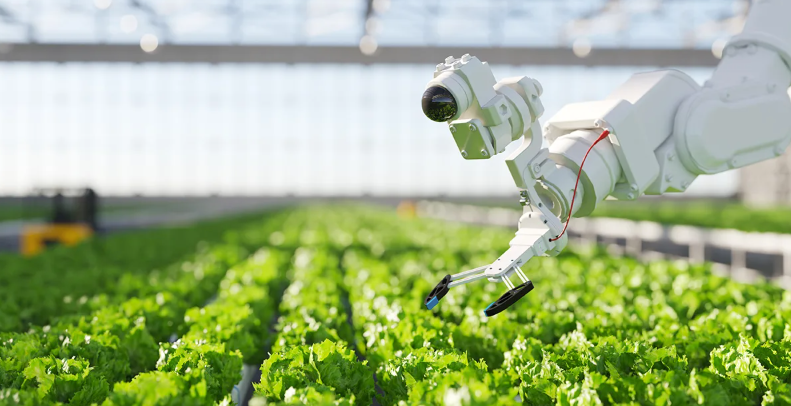
The Future of Agricultural Technology
The future of agricultural technology is poised for significant transformation. Precision farming is becoming more prevalent, allowing for targeted resource application. Drones are introducing new efficiencies in crop management. Artificial intelligence is enhancing decision-making processes. Meanwhile, biotechnology is unlocking potential for improved crop resilience. These innovations promise to align productivity with environmental sustainability. Yet, the implications of these advancements raise critical questions about their long-term impact on farming practices and food security.
The Rise of Precision Farming Technologies
In recent years, the agricultural sector has witnessed a significant transformation through the emergence of precision farming technologies.
Smart irrigation systems, utilizing real-time data analytics, optimize water usage, enhancing crop yields while conserving resources. This innovative approach empowers farmers with actionable insights, fostering autonomy in decision-making and promoting sustainable practices.
As these technologies advance, they redefine traditional farming paradigms, ultimately benefiting both producers and the environment.
How Drones Are Revolutionizing Crop Management
The integration of drones into agricultural practices marks a significant advancement in crop management strategies.
Utilizing drone imaging, farmers can efficiently monitor crop health, identify issues early, and optimize yields.
Furthermore, aerial spraying technology enhances precision in pesticide and fertilizer application, reducing waste and environmental impact.
This innovative approach empowers farmers, promoting sustainable practices while maximizing productivity and ensuring food security for future generations.
The Role of Artificial Intelligence in Sustainable Agriculture
While traditional farming methods have served agriculture for centuries, the integration of artificial intelligence (AI) is transforming the landscape of sustainable practices.
AI optimization enhances resource efficiency, minimizing waste and maximizing yields. Predictive analytics empowers farmers to make informed decisions, anticipating crop needs and environmental challenges.
This innovative approach fosters resilience, aligning agricultural productivity with ecological sustainability, thereby promoting a harmonious balance with nature.
See also: vosizneias
Innovations in Biotechnology for Enhanced Crop Production
As advancements in biotechnology continue to emerge, the potential for enhanced crop production becomes increasingly evident.
Genetic engineering techniques enable the development of crops resistant to pests and diseases, thereby reducing reliance on chemical pesticides.
Concurrently, biopesticide development leverages natural organisms to control agricultural pests sustainably.
Together, these innovations promise to revolutionize farming practices, ensuring food security while promoting environmental stewardship.
Conclusion
As agricultural technology continues to evolve, the integration of precision farming, drones, AI, and biotechnology stands poised to redefine the sector. Notably, a recent study found that precision farming can increase crop yields by up to 20%, underscoring its potential to enhance productivity sustainably. This convergence of innovation not only promises to bolster food security but also fosters a more environmentally conscious approach to farming, paving the way for a resilient agricultural future.